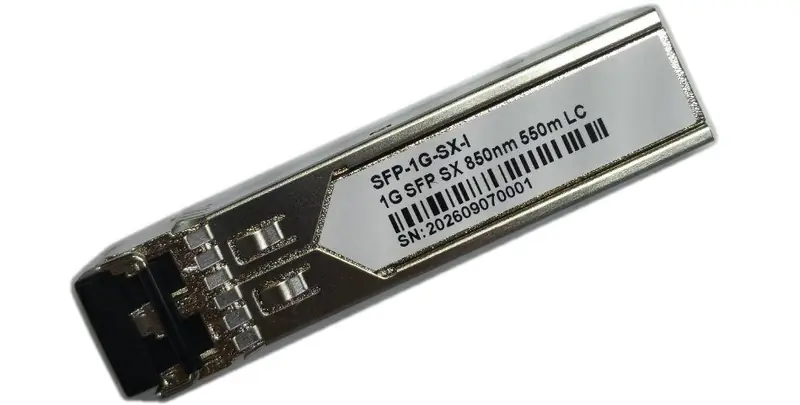
Thickened gold plating on the edge connector is one of the most underrated reliability factors in optical transceivers. We explain how extra-thick gold reduces contact resistance and wear across thousands of insertion cycles.
The edge connector is a wear part
An optical transceiver is usually discussed in terms of its optics, but the electrical interface is where many field failures originate. The gold fingers on the module edge connector mate with the cage contacts, and every insertion and removal cycle removes a small amount of plating material.
What thickening the gold actually buys you
- Lower and more stable contact resistance, which matters at 25G and above where signal integrity margins are tight.
- More insertion cycles before the underlying nickel layer becomes exposed.
- Better resistance to the corrosion that causes intermittent link flaps in humid or polluted environments.
What to look for in a specification
Plating thickness should be stated in micro-inches and applied over a controlled nickel underplate. Where the vendor only says gold plated, ask for the plating stack and the tested insertion cycle count. That single question separates a catalogue part from an engineered part.
How our modules are built
Our modules use extra-thick gold plating, and we test the electrical interface as part of incoming inspection and final factory testing under an ISO-based quality system. If you need the plating specification for a specific part number, ask our sales desk and we will send the datasheet.
Questions about this topic?
Send us the equipment model and the link requirements you are working with — our engineering team will recommend the matching configuration.
Request technical advice